A brief guide to pairing wine with a private dinner at home
Six principles our head sommelier follows when arranging a six-course wine pairing for guests in their own dining room. None of them hinge on price.
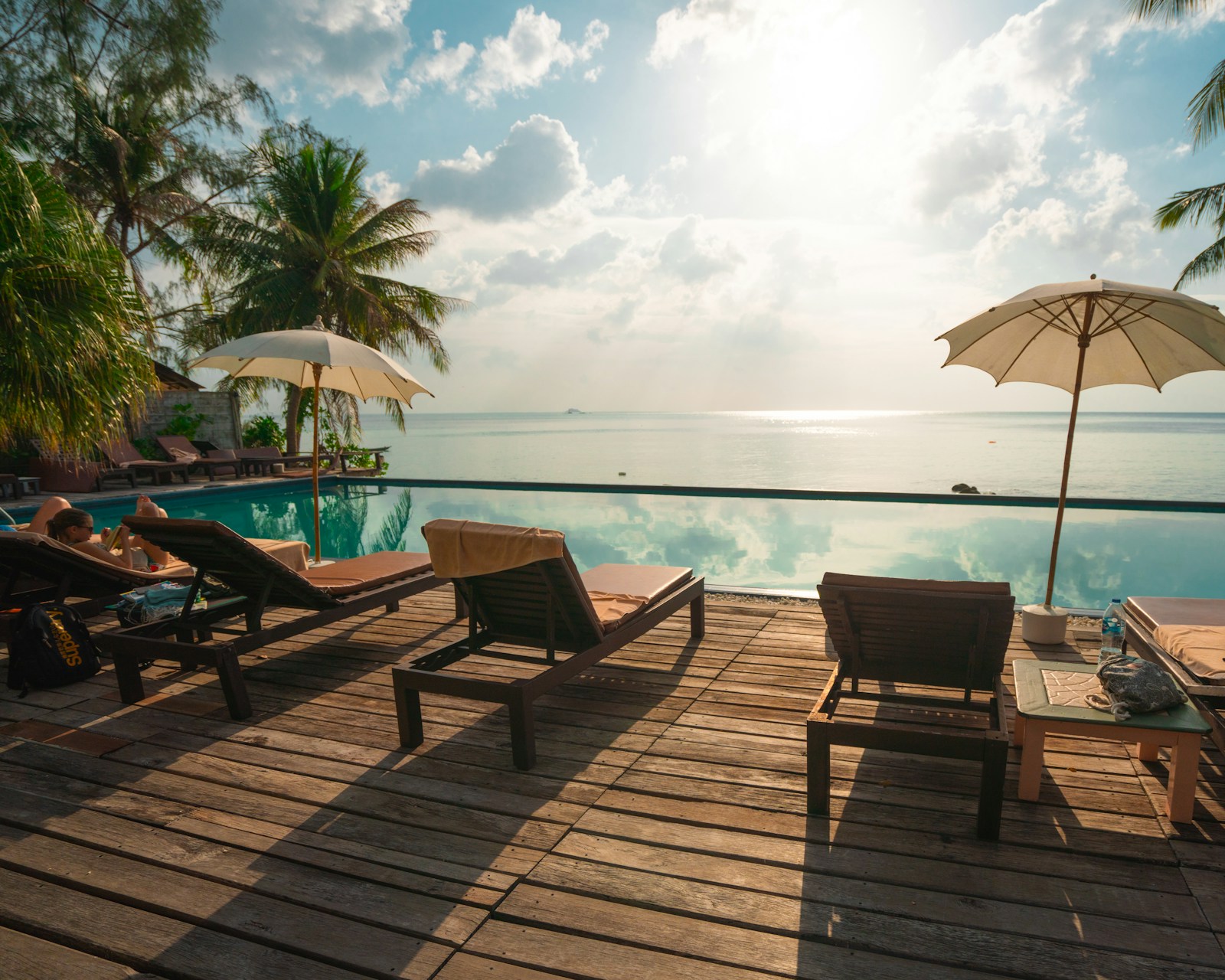
Begin with the room, not the menu
The setting dictates the pace. A glass-walled terrace on a summer evening calls for different wines than a candlelit dining room in February. Decide which atmosphere you are hosting before you draft a list.
Two whites are generally sufficient
One crisp, one fuller. A Chablis and a barrel-aged Chardonnay; a Riesling and a White Burgundy; a Verdicchio and a richer Italian. The two-white approach carries a dinner from amuse-bouche to fish course without ever feeling redundant.
Purchase one bottle beyond your estimate
Servings almost always outlast the arithmetic. We bring one spare bottle of every wine to a private dinner, every time, without exception, and the guest never sees it unless we require it.
Decant the reds you are uncertain about
A tight young red opens up with thirty minutes of air. A fragile older red fades with twenty. When in doubt, decant the young bottle and leave the aged one untouched.
Serve smaller pours than feels generous
A 100 ml pour is ample for a paired dinner. Pour less, refill more often, and your guests will recall the wines they actually tasted.
Finish sweeter than you began
Even when dessert is bitter chocolate or a cheese board, the final glass should steer the evening toward sweetness. A late-harvest Riesling, a Sauternes, a Tokaji — the specific bottle matters less than the direction.
Prepared by the editorial team at Auroralakecourt. Last updated 2026-07-20.
— More from the journal